
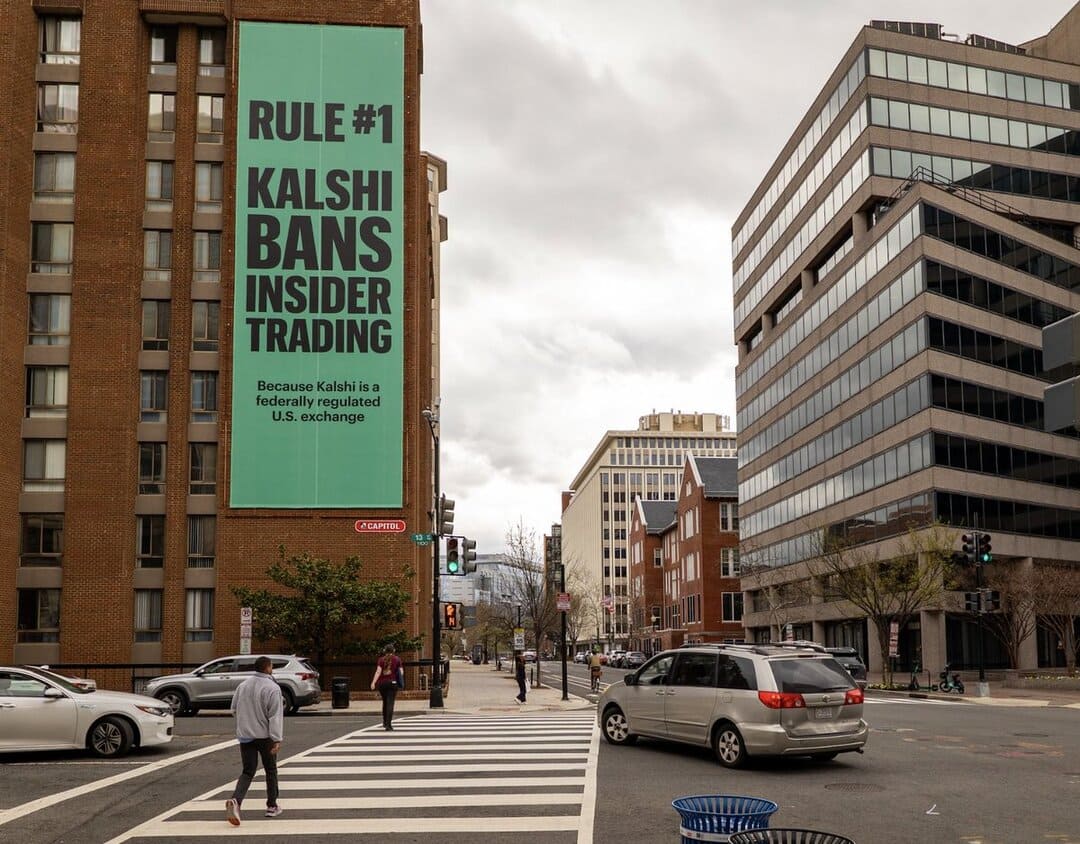
The Kalshi Washington ruling is not just another legal skirmish over a new betting product. It is a warning shot for bettors who have been told prediction markets are simply smarter, cleaner, more flexible alternatives to sportsbooks.
Washington’s move matters because it challenges the sales pitch at the center of event-contract platforms: that buying and selling “yes” or “no” positions is fundamentally different from placing a wager. Bettors who already compare prices, limits, and platform rules before depositing should treat this story the same way they would evaluate a BetOnline sportsbook review or any other betting platform comparison: the product experience matters, but legality, access, and consumer protection matter just as much.
The sharpest lesson is not that prediction markets are disappearing. It is that regulators may not care what a platform calls the product if users are risking money on sports, elections, entertainment, or other public events. That is where the ruling becomes relevant to anyone who follows odds movement and market pricing closely.
The Kalshi Washington Ruling Draws a Hard Line
A King County Superior Court judge ordered Kalshi to stop offering, accepting, or facilitating many event-contract wagers in Washington after finding the company likely violated the Washington Gambling Act and Consumer Protection Act. The Washington Attorney General’s office said the order covers sports, elections, politics, entertainment, culture, tech and science, and “mentions” markets.
The order also set geofencing deadlines. Kalshi was required to implement IP address and residency-based restrictions by August 19, 2026, with a broader multi-source geofencing solution due by September 2, 2026. The state’s consumer protection order frames the issue plainly: Washington sees these contracts as gambling when money is staked on future events with a potential payout.
That is the part bettors should not miss. The legal fight is about jurisdiction, but the practical issue is access. A market can be available one week and restricted the next if courts or regulators force a platform to change where and how it operates.
Why Prediction Markets Look So Much Like Betting
Prediction markets often present themselves in financial-market language. Instead of odds, users see contract prices. Instead of placing a bet, they buy or sell positions. Instead of a sportsbook setting a line, the market price moves through user demand.
That distinction is real, but it is not always enough to avoid gambling scrutiny. If a user risks money on whether a team wins, a public figure says a phrase, or an election outcome happens, the experience can look familiar to regulators. The interface may feel like trading, but the emotional decision can still feel like betting.
This is the crucial distinction for bettors: market structure and user behavior are not always the same thing. A platform may operate through contracts and order books, while the customer still treats the event like a wager.
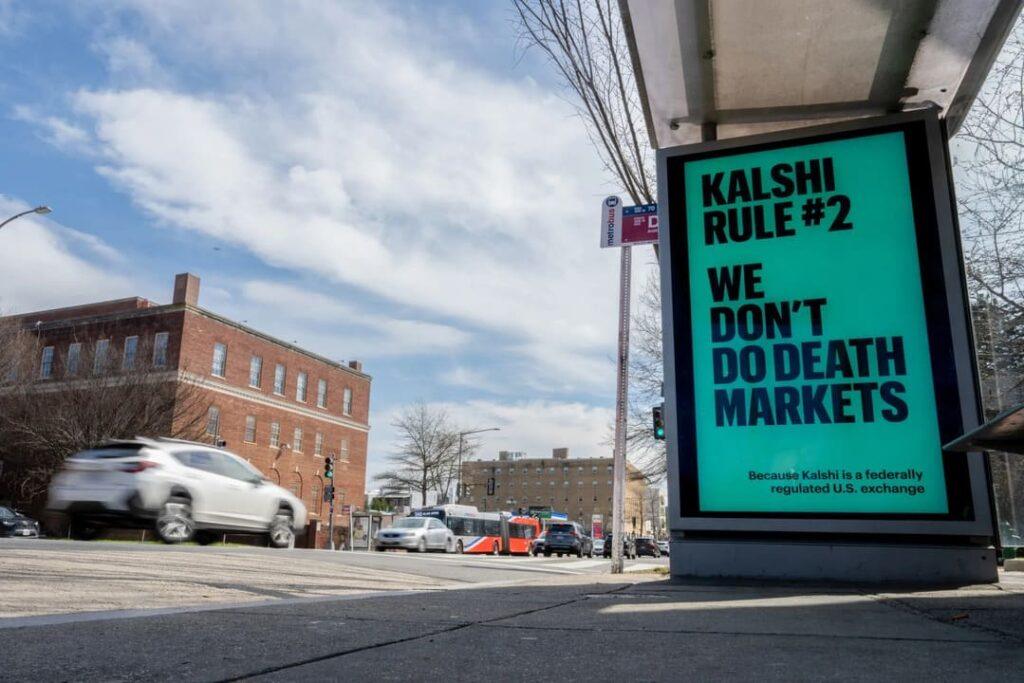
Signals Bettors Should Watch After Washington
The ruling gives bettors a useful checklist for judging prediction-market risk. Not all signals are about who wins in court. Some are about whether the product remains stable enough to trust.
| Signal | Why it matters |
|---|---|
| State geofencing orders | Access can change quickly for users in restricted locations. |
| Product category limits | Sports, elections, and entertainment may face heavier scrutiny than financial markets. |
| Advertising restrictions | Regulators may object when platforms promote event contracts as betting alternatives. |
| Settlement rules | Contract wording decides how winners are paid and disputes are handled. |
| Liquidity changes | Restrictions can reduce market depth and make prices less useful. |
The table shows why bettors should avoid treating prediction markets as a simple sportsbook substitute. A contract price is only useful if the market is legal, liquid, clearly settled, and accessible when the event ends.
The Federal vs State Fight Is the Real Pressure Point
Kalshi has argued that it operates under federal commodities regulation, not state-by-state gambling law. That position sits at the heart of the prediction-market boom. If federal oversight controls the field, event-contract platforms can scale nationally in a way sportsbooks cannot.
States see a different picture. They regulate gambling inside their borders, license operators, set consumer protections, and restrict certain products. When a prediction market offers sports-related contracts to state residents, officials may view that as an attempt to bypass rules that licensed sportsbooks must follow.
The Commodity Futures Trading Commission has also been active in reviewing prediction-market issues, including how event contracts should be evaluated and monitored. Its prediction markets advisory shows that federal regulators are not ignoring the category, even as states continue to test the boundaries in court.
That tension creates regulatory uncertainty for users. A bettor does not need to solve the legal theory to understand the risk. If federal and state authorities disagree, platforms may change markets, block users, revise promotions, or alter contract availability with little warning.
Sportsbooks Still Have One Clear Advantage
Prediction markets are attractive because prices can look cleaner. A 57-cent contract is easier for some users to read than American odds, and market-driven pricing can feel more transparent than a sportsbook line with built-in margin.
Sportsbooks, however, have one advantage prediction markets are still trying to prove: settled regulatory pathways in legal states. Licensed operators may not always offer the best price, and bettors should still shop lines carefully, but regulated sportsbooks usually operate within a clearer framework for age checks, complaints, responsible gambling tools, and state oversight.
That does not make sportsbooks perfect. It does mean the promise of a better price should not distract from platform risk. Better pricing alone is not enough if access, withdrawals, settlement, or legality becomes uncertain.
The Next Test Is Trust, Not Technology
Prediction markets do not need to look exactly like sportsbooks to compete with them. They only need to attract users who want faster pricing, broader event menus, and a trading-style experience around sports and public events.
Washington’s ruling shows the limit of that opportunity. The more prediction markets resemble betting in practice, the more states will test whether financial-market language can protect them from gambling rules. That pressure is likely to intensify around sports because sports wagering is already heavily regulated, commercially valuable, and politically sensitive.
For bettors, the smart approach is simple: read the rules before the price. Check whether the market is available in your location, understand how settlement works, consider liquidity, and avoid treating any platform as risk-free because it uses trading language.
The Kalshi Washington ruling matters because it turns a legal debate into a practical betting lesson. Prediction markets may still become serious sportsbook competitors, but their biggest challenge is no longer convincing users that the prices are interesting. It is proving to regulators and bettors that the product is stable, fair, and trustworthy when real money is on the line.
Leave a Reply