
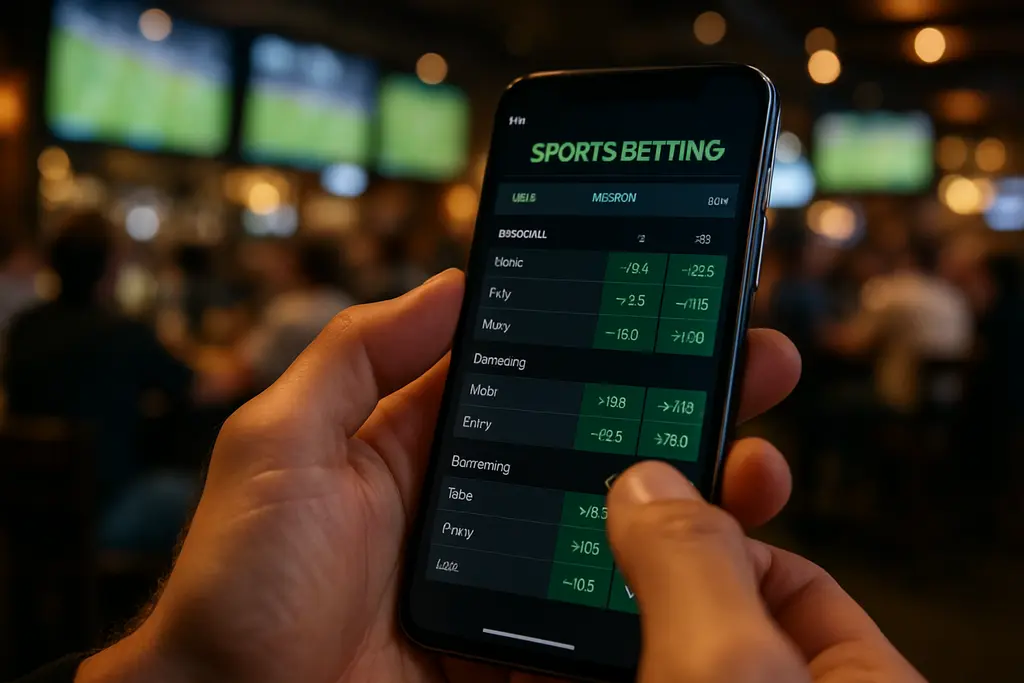
Odds Variation across U.S. sportsbooks is not just a small pricing detail. It can change the break-even math, the cost of popular markets, and the way bettors should read an app before placing any wager. No price creates certainty, but a worse price can make the same opinion more expensive.
The key point is simple: two sportsbooks can offer different odds on the same event, and those differences are not always random. Margins, customer mix, market type, timing, risk controls, and operator strategy can all shape the displayed number. That is why responsible comparison matters more than chasing a pick. A bettor still has to judge the event, but the market price decides how much friction sits between that opinion and a fair return.
Why Odds Variation Changes Betting Cost
Odds Variation In Main Markets
Main markets usually mean moneylines, point spreads, and totals. These are often the most visible prices on a sportsbook board, and they tend to attract more liquidity than niche props. Even there, the house margin can vary. DawBets’ 2026 report, which covered more than 20 U.S. sportsbooks, found that sharp books such as Pinnacle and Circa averaged about 2–3% vig on main markets, while mainstream retail operators such as DraftKings, FanDuel, and Caesars were generally in the 4–8% range, according to the 2026 Sportsbook Fairness Report.
That does not mean every bettor can access every book, or that a lower-margin operator will always have the better number on a specific game. It means the starting cost can differ by sportsbook type. A sharp book may price closer to a market-making view, while a retail book may build around broader customer demand, product design, promotions, and risk management. The same team, total, or side can therefore carry a different cost depending on where the bettor looks.
Break-Even Math Comes Before Opinion
Odds Variation does not matter only after a bettor has found a strong angle. It affects the angle itself. If one book is dealing a less favorable price than another, the bettor needs a higher long-term hit rate just to break even. That does not turn a wager into a positive expectation by itself. It only reduces the drag created by the price.
This is where line shopping connects with the idea of value. A bettor comparing prices is not trying to make an uncertain outcome certain. The goal is to avoid paying more than necessary for the same position. That same discipline sits behind price before prediction, where the focus is on whether the number is worth considering rather than whether a team simply looks likely to win.
Market Type Matters More Than Most Prices
Props And Same-Game Products Can Carry More Cost
Not every market inside the same app is priced the same way. Main markets can be tighter because they draw more attention, more comparison, and more competition. Player props are often different. DawBets’ analysis found that player prop markets almost always carried 30–50% more vig than main markets at the same sportsbook. That is a major point for bettors who spend most of their time on touchdown scorers, player points, assists, strikeouts, rebounds, shots, or other individual outcomes.
Odds Variation becomes more expensive when it appears in markets with less depth. Props may move quickly after injury news, lineup reports, role changes, or limits adjustments. They may also have wider pricing gaps because fewer operators are equally confident in the same number. For bettors, the issue is not whether props are entertaining. The issue is whether the listed price has already added enough margin to make the bet harder to justify.
Parlays Need Extra Price Awareness
Parlays are another area where price can quietly work against the bettor. A Washington Post analysis reported that Nevada sportsbooks collected 32 cents on every dollar wagered in parlays during 2021 football, compared with about 5–6 cents per dollar on single-game spread, moneyline, or total wagers, based on its review of parlay odds. That historical football data does not tell bettors what will happen on any future ticket, but it does show why parlay pricing deserves caution.
The appeal is clear: one ticket, several outcomes, a larger displayed payout. The risk is also clear: each leg adds uncertainty, and the sportsbook’s pricing can compound across the ticket. A bettor who would compare single-game odds should be even more careful with linked outcomes, same-game parlays, and prop-heavy combinations. Entertainment value is not the same as fair pricing.
| Market Type | Pricing Concern | Careful Bettor Check |
|---|---|---|
| Main markets | Margins differ by book type | Compare moneyline, spread, and total prices across accessible books |
| Player props | Higher vig than main markets | Check whether the number and price both compare well |
| Parlays | Cost can compound across legs | Understand that a larger payout display does not mean better value |
| Outlier prices | Rules and error terms may matter | Read settlement and obvious-error policies before relying on a number |
How Bettors Can Compare Sportsbook Prices

Look Beyond The First App
Sportsbook comparison starts with access. A bettor can only compare books available to them under the rules where they are located, and availability can vary. Within that limit, the practical process is straightforward: check more than one price, record the number, and decide whether the difference is meaningful enough to affect the bet. A small change can matter on a high-frequency market, while a larger change may be needed before a casual bettor notices the cost.
External comparison tools can help organize the process, but they should not replace reading the sportsbook’s own terms. A site in the same network, such as BettorSearch, can play an important role for those comparing market access and operator details before deciding on an account. However, caution is advised: no listing, rating, or comparison page can make a wager safe.
Check Rules, Limits, And Timing
Price is only one part of sportsbook evaluation. Timing matters because odds can move before kickoff, first pitch, tipoff, puck drop, or fight night. An attractive price may disappear after lineup news or market correction. A stale price may also raise questions if it is far away from the broader market. Bettors should know how an operator defines obvious error, how it handles voids, and when a bet is final.
Limits also affect the real usefulness of a price. A sportsbook might post a good number but restrict how much can be wagered on that market. Another might offer deeper availability on main markets but thinner limits on props. Without inventing a universal ranking, the responsible approach is to compare the whole product: posted odds, market depth, rules, bet acceptance, support, and settlement clarity.
- Compare the same market at more than one legal, accessible sportsbook.
- Separate main markets from props and parlays when judging cost.
- Read house rules, especially for voids, obvious errors, and settlement sources.
- Avoid treating a better price as a guarantee; it only improves the terms of an uncertain wager.
Odds Variation Across U.S. Sportsbooks
A Pricing Habit, Not A Prediction System
Odds Variation is best understood as a pricing habit, not a prediction system. It helps bettors identify when two sportsbooks are charging different prices for the same basic exposure. It does not identify a certain winner, remove variance, or protect anyone from losing money. Sports outcomes remain uncertain, and the sportsbook margin is only one part of the risk.
For U.S. bettors, the useful lesson is to slow down before accepting the first number on the screen. Main markets, props, and parlays can carry very different costs. Sharp operators and retail operators may price the same game differently. Outlier odds can be tempting, but they should be checked against rules and market context. A careful bettor does not need a guaranteed angle to benefit from better process; they need a repeatable way to compare price, understand margin, and decide whether the wager is still worth considering.
Leave a Reply