
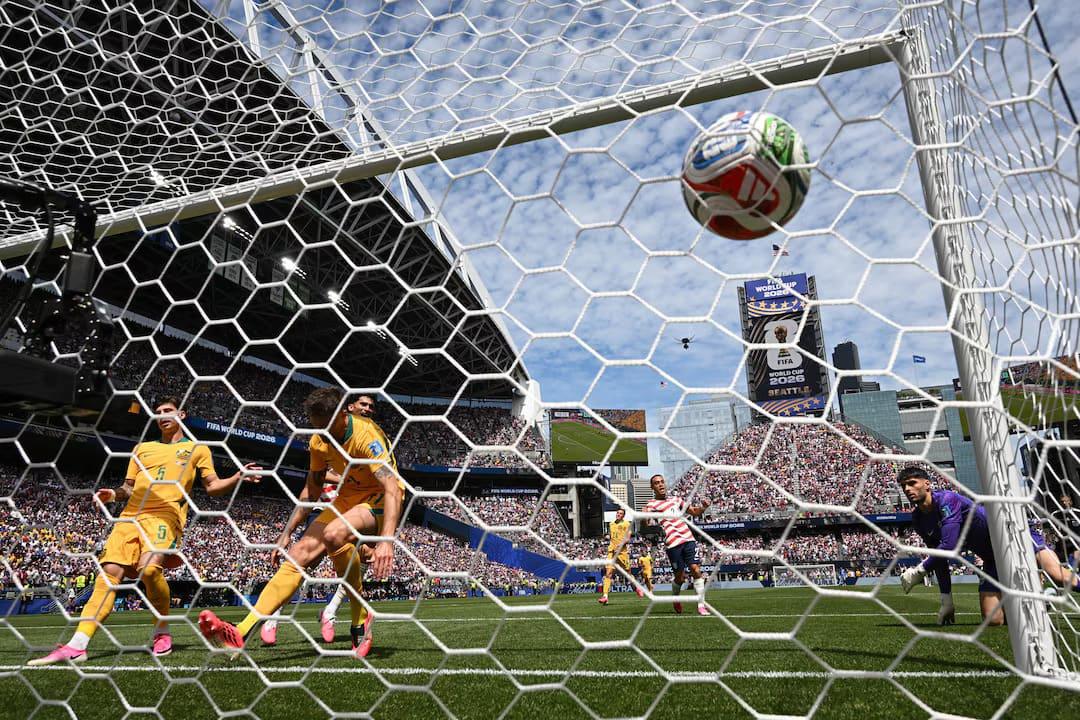
Live betting tips for football become most valuable immediately after the first goal, because that is when the scoreboard starts pretending it has explained the match. One team has scored, the odds have moved, the crowd has changed, and every bettor suddenly feels pressure to react.
A first goal can reveal control, weakness, tactical superiority, or nothing more than one finished chance. The sharper bettor does not ask whether the scoring team “deserves” the lead. The sharper question is whether the new price reflects what actually happened, how much time remains, and how the tactical shape is likely to change.
The same applies to legal access. Betting rules vary by location, and users researching Top Alabama betting sites face a different regulatory environment from bettors in jurisdictions with locally licensed online sportsbooks.
That matters even more during a World Cup. International teams have less rehearsal time, knockout incentives can flip quickly, and one goal can force a manager away from the original plan. The first goal is not just a score change. It is a stress test for tactics, squad depth, emotional control, and the bettor’s discipline.
Live Betting Tips for Football Start With Price, Not Panic
The first rule is uncomfortable: a goal is evidence, not a verdict.
If a favorite concedes after ten minutes, the live price may look generous. That does not mean the sportsbook has overreacted. The market has recalculated the match with less time remaining, a one-goal deficit, and a different tactical state.
The favorite may still be the stronger team, but “stronger team” and “good live bet” are not the same thing. The price must account for the clock, the equalizer probability, the risk of another counterattack, and whether the original favorite was overpriced before kickoff.
This is why the scoreboard creates false certainty. Goals dominate attention, yet football is built from quieter evidence: passing access, territory, transition control, defensive spacing, set pieces, fatigue, substitutions, and whether a team can create chances repeatedly.
After the first goal, pause and ask:
- Was the goal produced by sustained pressure or one isolated moment?
- Can the scoring team create the same chance again?
- Has the trailing side lost structure or merely lost the scoreline?
- Is the new price better than the actual risk?
The most dangerous live-betting thought is, “They have to score now.” A team may need a goal, but need does not create chance quality. It may simply create rushed crosses, poor spacing, speculative shots, and larger defensive gaps.
The First Goal Matters Less Than How It Happened
An underdog that scores from its first corner after defending for twenty minutes is not in the same position as an underdog that has repeatedly broken the favorite’s press. The scoreboard is identical. The evidence is completely different.
That distinction is where many live bettors lose discipline. They see the score, not the route to the score. That is why broader preparation matters. A guide to World Cup market timing can help bettors separate pre-match, late-line, and in-play decisions before tournament emotion compresses them into one frantic process.
A useful diagnosis starts with repeatability. Can the scoring side reproduce the movement, turnover, passing sequence, or set-piece threat that created the goal? A deflection, penalty, goalkeeper mistake, or spectacular long-range strike may matter enormously to the result while revealing little about the next phase.
Territorial control matters too. One team can dominate possession without threatening the penalty area. Another can hold less of the ball but create cleaner transitions. Possession alone is not control, and shot totals can mislead when most attempts are blocked, rushed, or taken from poor locations.
The bettor should also examine the trailing team’s response. Does it move the ball faster without losing shape? Do fullbacks push higher with midfield cover behind them? Does the striker begin receiving service, or merely gesture in frustration?
Body language can help, but positional behavior is more reliable. A captain shouting may be leadership or panic. Passing distances, rest defense, midfield angles, and defensive spacing are harder to fake.
Here is a practical way to classify the first goal.
| First-Goal Scenario | What the Score Suggests | What the Bettor Must Check | Possible Response |
|---|---|---|---|
| Favorite scores during sustained pressure | The pre-match view was correct | Whether the live price is already too short | Pass or consider handicap |
| Favorite scores from an isolated chance | The favorite controls the match | Whether the underdog still threatens | BTTS or underdog protection |
| Underdog scores on the break | An upset is developing | Whether the favorite can break a low block | Wait before backing comeback |
| Underdog scores from a set piece | The favorite is in trouble | Whether open-play control changed | Consider totals, not winner |
| Goal follows a red card | The match has flipped | How both teams reorganize | Wait for tactical reset |
| Early penalty creates 1-0 | The scorer is dominant | Whether normal play supports that view | Avoid automatic confirmation |
The table’s biggest lesson is simple: a valid goal can still be weak evidence. The bettor is not paid for explaining the past. The bettor is paid only if the next wager is priced better than the future risk.
Read the Match State Before Touching the Odds
The live market is always answering two questions: what is likely to happen, and how much time remains for it to happen. Bettors usually obsess over the first and underestimate the second.
A team trailing 1-0 in the twelfth minute has time to recover. The same team trailing in the seventy-eighth minute needs urgency, attacking quality, substitutions, and enough control to avoid conceding again. “They only need one” sounds comforting. It is not analysis.
The match state includes more than score and time. It includes yellow cards, injuries, remaining substitutions, tournament incentives, physical fatigue, bench quality, and whether the tactical matchup has shifted.
A favorite with two creative substitutes available may offer a credible comeback path. A favorite whose bench contains only like-for-like replacements may simply produce more of the same sterile possession.
Tournament context can change the entire interpretation. A team needing only a draw may slow the match after equalizing. A side chasing goal difference may continue attacking despite leading. In the final group-stage round, another score elsewhere can alter both teams’ incentives without anything happening in the match you are watching.
Before placing a live bet, answer five questions:
- What changed besides the score?
- How much useful time remains?
- Which team now controls the preferred match tempo?
- What substitutions can materially alter the matchup?
- Would I make this bet if I had no pre-match position?
The last question is especially important. Bettors often use live markets to defend an earlier opinion. That creates confirmation bias. The match is not responsible for proving your pre-match read correct.
Treat the post-goal period as a new game state. One team leads. Less time remains. Tactical incentives have changed. The live price is not a rescue offer. It is a new proposition.
The Five-Minute Pause Beats Most Instant Reactions
Sportsbooks are built for speed. The bettor should be built for delay.
After a goal, markets suspend, reopen, and move again. The first available price may feel like an opportunity that will disappear. Sometimes it is. More often, it is simply the first number offered before the tactical response becomes clear.
Watch whether the trailing team reorganizes or attacks emotionally. Does the midfield remain connected? Is the scoring side still pressing, or has it dropped into a compact block? Are passing lanes opening around the penalty area, or is the favorite circulating the ball harmlessly?
This pause also protects the bankroll. In-play betting can turn one opinion into several overlapping bets: favorite to win, next goal, over goals, player shots, and a late accumulator. Those wagers may all depend on the same assumption, which means the bettor has multiplied exposure without adding new reasoning.
Set limits before kickoff:
- Maximum number of live bets
- Maximum stake for the match
- Markets you understand well
- Conditions required before entry
- A final minute after which no new bet is allowed
That last rule prevents desperation. Late prices look dramatic because time is short. Dramatic does not mean valuable.
Patience is an active betting decision. Passing on a market is not failure. The match does not owe you an entry point because you opened the app.
Free bets and promotions make restraint harder. A bettor sees credit available, a major match unfolding, and a market moving. The promotion creates a feeling that the wager must be made immediately.
A free bet may reduce direct cash exposure, but it cannot improve a poor selection. Restrictions involving eligible odds, market types, expiration, and stake return can also affect its practical value.
The dangerous phrase is, “I might as well use it.” That is not strategy. It is a promotion making the decision.
A live bettor should also know when speed is replacing control. Resources from the National Council on Problem Gambling can help bettors understand limits, warning signs, and safer gambling behavior.
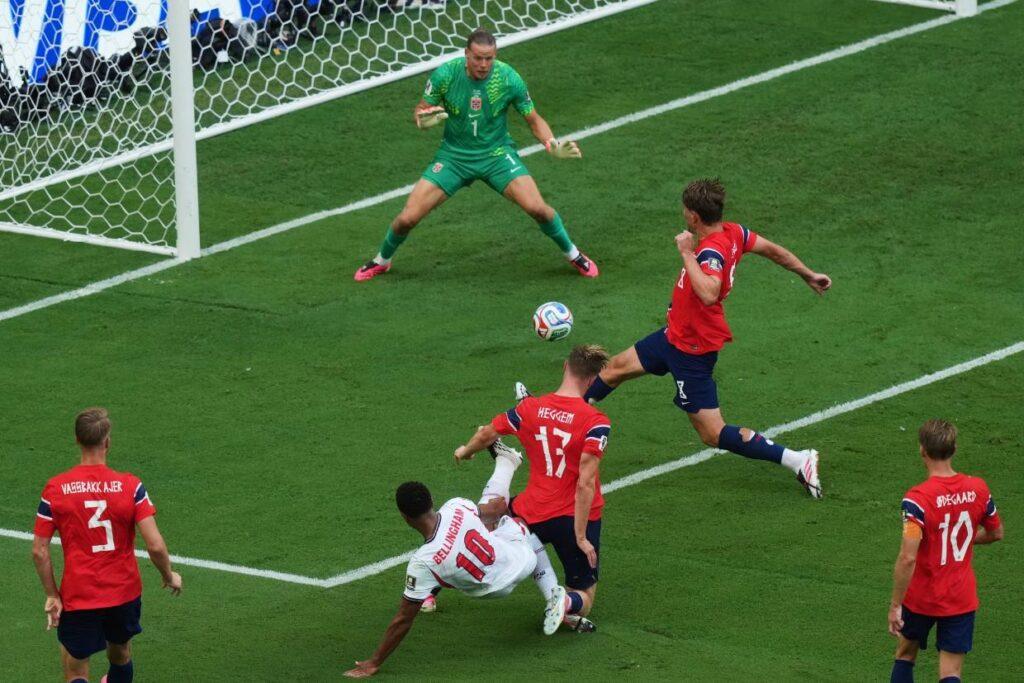
World Cup Football Makes the Trap More Expensive
Domestic clubs reveal their identity over months. World Cup teams are judged through a handful of matches, often against opponents with completely different styles. That makes the first goal easier to misread.
National teams may have one reliable attacking pattern and a superstar expected to improvise the rest. When that team falls behind, possession can increase without chance quality improving. The ball moves. The defense remains comfortable. The crowd grows louder. Bettors mistake activity for progress.
Short tournaments also magnify set pieces. A team can lead from a corner, defend compactly, and reduce the match to crosses and second balls. That does not mean the favorite is finished, but it changes the type of comeback required.
Manager adaptability becomes critical. Some coaches respond to a deficit by changing the structure. Others replace one player with a similar player and hope intensity solves the problem. A live bettor must distinguish genuine tactical adjustment from cosmetic substitution.
Useful World Cup questions include:
- Can the trailing side create width without destroying rest defense?
- Does the midfield have a player who can break pressure?
- Is there a credible set-piece or aerial route?
- Does the bench offer a different attacking profile?
- Can the goalkeeper defend space behind a higher line?
- Would an equalizer satisfy either team?
Penalty-shootout expectations can also change late knockout matches. A team confident in its goalkeeper or penalty takers may accept extra time rather than attack recklessly. That matters for totals, next-goal markets, and any assumption that the stronger nation must keep pushing.
The badge cannot create a passing lane. Historical prestige cannot defend a counterattack. A famous striker cannot finish chances the team is structurally unable to produce.
The best live betting tips for football therefore begin with tactical humility. The bettor must admit when the score has changed more clearly than the evidence.
Live bettors should also separate information from movement. A shortening price can reflect genuine pressure, public money, a red card, a tactical substitution, or simply the market correcting an earlier number. The move itself is not the signal; the reason behind it is. That is why watching the match remains essential. If the favorite’s price shortens while it continues producing low-quality crosses and blocked shots, the market may be reacting more confidently than the football deserves. If the same move follows sustained penalty-area entries and clear chances, the price may be justified. Context turns market movement into useful evidence for bettors.
A first goal can reveal control, expose a vulnerable favorite, or open a genuine comeback price. It can also be random noise dressed as a trend. The smart bettor judges the next phase, not the emotional force of the last moment.
The scoreboard will always move faster than judgment. The edge begins when the bettor refuses to let it make the decision.
FAQ’s
Should I Always Wait After the First Goal Before Betting?
Waiting is usually sensible because it reveals how both teams adjust. A short pause helps separate sustained control from a one-off goal and reduces the risk of reacting emotionally to the scoreboard.
Is Backing the Losing Favorite a Good Live-Betting Strategy?
Not automatically. The price may improve, but the favorite still needs time, tactical solutions, and reliable chance creation. Back the team only when the new odds exceed the actual comeback probability.
Are Free Bets Useful for Live Football Betting?
They can be useful when they support a bet you already consider valuable. They should not create the wager. Always review eligibility, minimum odds, expiration, and whether the stake is returned.
Leave a Reply