
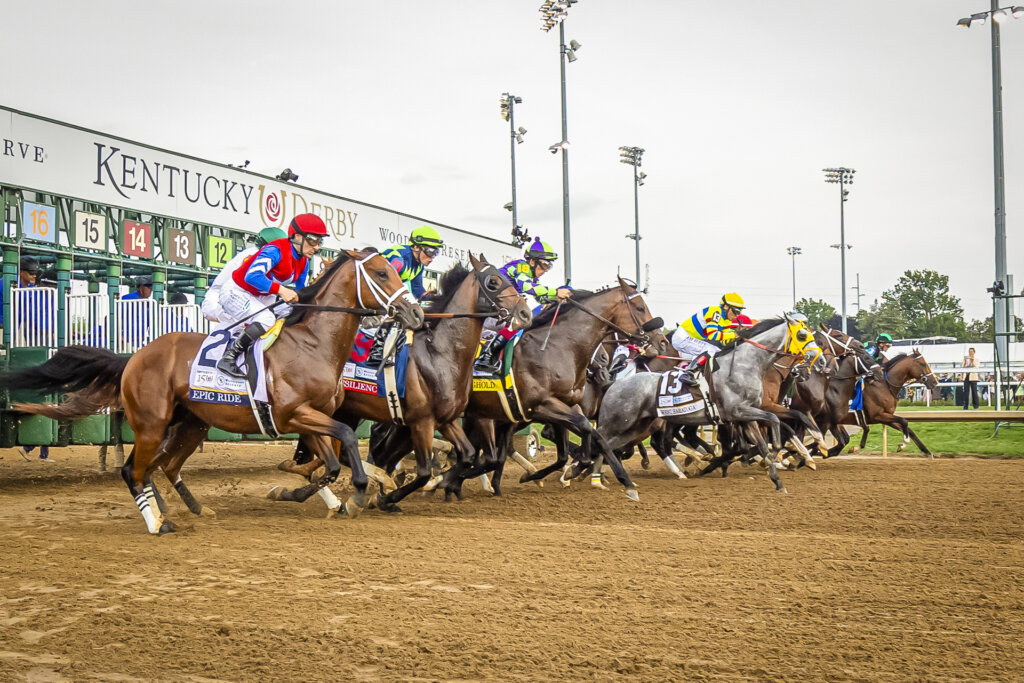
The Kentucky Derby has a way of humbling bettors.
Every year, people walk into it confident—armed with a favorite, maybe a longshot, maybe a tip they heard earlier in the week—and walk out wondering what just happened.
That’s not bad luck. Most of the time, it’s avoidable.
With the 2026 Derby set for May 2, understanding what not to do can be just as valuable as picking the right horse.
Betting Like It’s a Normal Race
This is probably the biggest mistake.
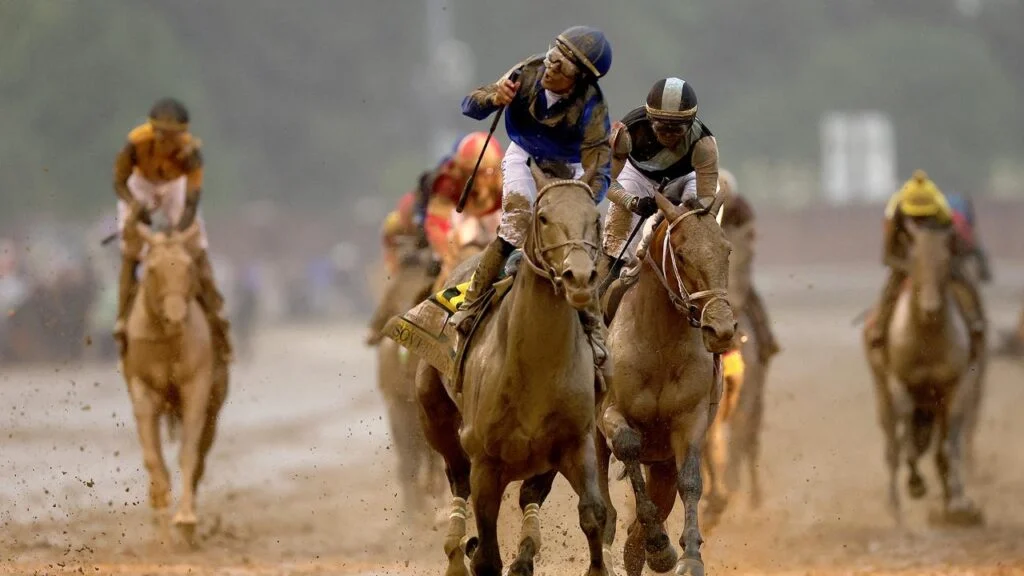
The Derby isn’t just another race on the calendar. It’s a 20-horse field, packed with inexperienced runners, unpredictable pace, and far more variables than usual.
If you approach it the same way you would a typical 8-horse race, you’re already behind.
The chaos isn’t a fluke—it’s part of the structure.
Overvaluing the Favorite
There’s always a horse everyone loves.
It dominated a prep race, the media is all over it, and suddenly it feels like the obvious pick. So the public piles on.
The problem? That price collapses.
By race day, you’re often betting a horse at odds that don’t justify the risk. Even strong favorites lose the Derby more often than people realize.
Historical data from Equibase shows just how inconsistent favorites have been over time in this race.
The issue isn’t that favorites can’t win—it’s that they’re often overbet.
Chasing Longshots Blindly
On the flip side, the Derby is famous for shocking results. So bettors go hunting for that 30-1 or 50-1 miracle.
But here’s the truth: most longshots are longshots for a reason.
Instead of blindly picking a high number, the smarter move is identifying which outsiders actually have a realistic path—whether it’s a favorable running style or improving form.
There’s a difference between value and hope.
Ignoring Race Flow
A lot of bettors focus on individual horses and forget the bigger picture: how the race is likely to unfold.
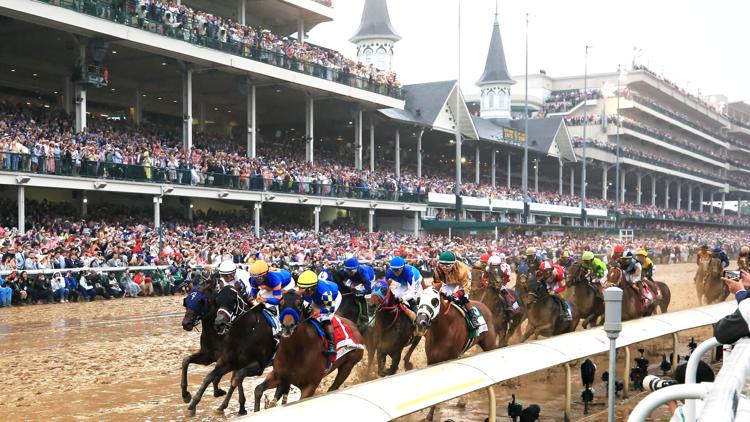
Is there too much early speed? That could set up perfectly for closers. Is the pace slow? Front-runners might dominate.
The Derby is one of those races where positioning and flow can matter just as much as raw ability.
If you’ve ever gone back through race charts or pace breakdowns—like those available through surewinbettingtips.com—you’ll notice a pattern: many winners weren’t the most hyped, just the best suited to how the race played out.
Spreading Too Thin With Exotic Bets
This one gets expensive fast.
Exactas, trifectas, superfectas—they’re tempting, especially in a race with huge payout potential. But bettors often try to cover too many combinations without a clear structure.
Suddenly you’ve got a ticket that costs far more than it should, built on shaky assumptions.
A better approach is tightening your opinions—building around a few horses you actually believe in, then using others to support those positions.
If you’re exploring different ways to structure bets, checking top offshore betting sites can give you access to tools that help simplify combinations and track costs.
Waiting Too Long Without a Plan
Some bettors wait until minutes before post time to place everything.
That’s not always wrong—but doing it without a plan is.
By that point:
- Odds have shifted significantly
- Public money has flooded the pools
- Value may already be gone
Smart bettors usually have a framework in place before race day—and then adjust, rather than react blindly.
Letting Emotion Take Over
The Derby has energy. Big crowd, big stage, big expectations.
And that leads to emotional betting:
- Chasing losses
- Doubling down late
- Betting based on hype instead of analysis
It happens every year. And it’s one of the easiest ways to lose control of your bankroll.
Final Thoughts
The Kentucky Derby doesn’t reward reckless betting—it rewards discipline.
Avoiding common mistakes won’t guarantee a win, but it will put you in a far better position than most of the field. And in a race this unpredictable, that alone is an advantage.
As May 2, 2026 approaches, the goal isn’t to be perfect—it’s to be smarter than the crowd.
Leave a Reply