
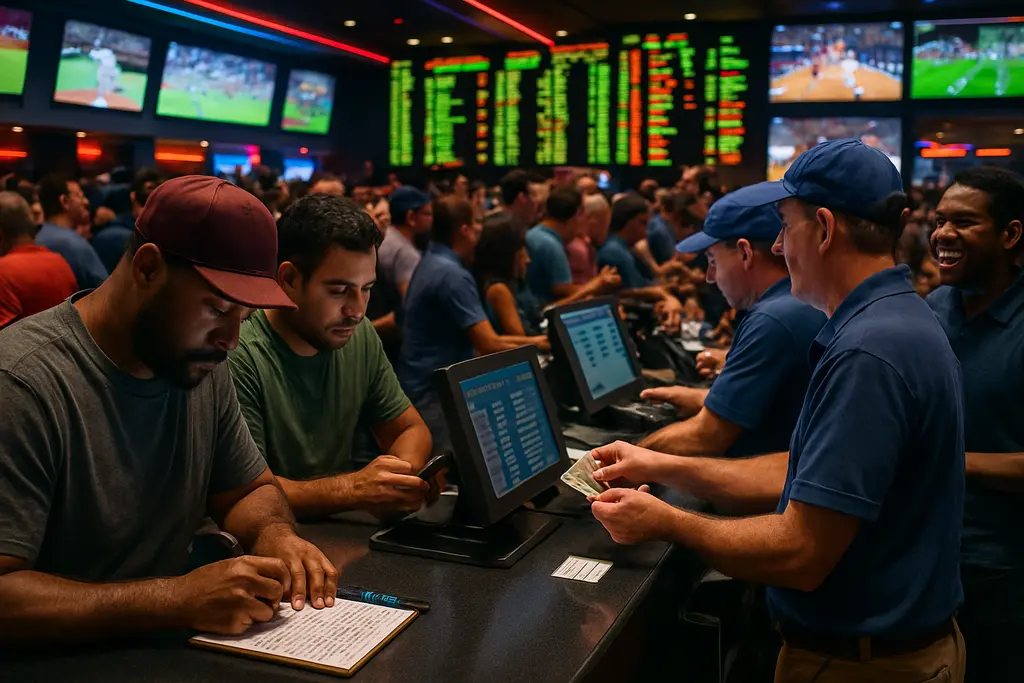
Nevada prediction markets became a sharper sportsbook-practice issue after the court and enforcement actions recorded through 2026. The key point for bettors is not that one format is automatically better than another. It is that Nevada has treated sports-event contracts as activity that can fall under state gaming control when offered to people in the state without the required licensing.
That matters because many users compare a prediction-market price with a sportsbook line as if both products sit under the same rule set. In Nevada, the state’s recent position has pushed the comparison back toward licensing, consumer protection, settlement rules, and access. A price may look attractive in isolation, but the legal status of the operator, the depth of the market, and the rules for resolving a contract can all affect the user experience.
Why Nevada prediction markets Changed Sportsbook Practice
Nevada prediction markets After The August 28 Ruling
The research record for this analysis says that, on August 28, 2026, the U.S. Court of Appeals for the Ninth Circuit ruled 3-0 that Nevada could enforce its gambling laws against KalshiEX LLC. The reported reasoning was that the company’s sports-event contracts were not federally regulated swaps under the Commodity Exchange Act, but sports bets that could fall within state gaming law.
For Nevada prediction markets, that shifted the practical question. Platforms could not rely only on financial-market framing if state authorities viewed the underlying product as sports wagering. Sportsbooks already operate inside that licensing structure. They deal with account rules, market approval, tax duties, responsible-gaming obligations, and regulatory review. Prediction-market platforms entering sports outcomes now face a much less forgiving comparison if they offer a similar economic exposure without the same Nevada approvals.
Enforcement Came Before The Appellate Fight
The August ruling did not appear from nowhere. Nevada enforcement had already moved through letters, lawsuits, and court orders. The Nevada Gaming Control Board recorded a March 4, 2025 cease-and-desist letter to Kalshi, May 8, 2025 warnings to Robinhood, and later action involving Kalshi, Polymarket, Coinbase, Crypto.com, and Robinhood as the state challenged unlicensed event-contract offerings NGCB enforcement timeline.
On June 3, 2026, Nevada attorney general Aaron D. Ford announced a preliminary injunction against Polymarket tied to event-based contracts on sports, election, and entertainment outcomes, while also stating that Crypto.com and Robinhood had voluntarily stopped offering certain event contracts to Nevada residents before legal action Nevada attorney general announcement.
For sportsbook operators, the signal was direct: if a product functions like wagering on sports or other event outcomes for Nevada users, state licensing is not a side issue. It is central to whether the product can be offered at all.
How Enforcement Reshapes Operator Comparison
Licensing And Consumer Protection Pressure
A Nevada sportsbook is not just an app with prices. It is an operator tied to state approval, compliance checks, location controls, house rules, dispute procedures, and responsible-gaming requirements. Prediction markets often present themselves through a different structure: users buy and sell contracts, and the market price moves as traders meet in an order book.
That structure can be useful for price discovery, but it does not erase the consumer questions that sports betting already raises. Who is allowed to participate? Which users are excluded? What happens if a market is paused, voided, or disputed? How are problem-gambling risks handled? What regulator reviews complaints? Those questions matter even more when sports outcomes are involved, because injury news, lineup information, officiating decisions, and settlement sources can all move markets.
Readers who want a broader side-by-side frame can compare the related discussion of prediction markets and sportsbooks, but Nevada’s enforcement record makes one point stand out: access and legality are part of the product, not background noise.
Pricing, Liquidity, And Market Menus
Sportsbooks and exchanges compete for attention in different ways. Sportsbooks usually offer moneylines, spreads, totals, futures, player props, in-play markets, and parlays. Prediction markets may offer a cleaner-looking yes-or-no probability, but that headline price can be less useful if liquidity is thin or the bid-ask spread is wide.
That is where careful comparison helps. A sportsbook price includes operator margin and risk management. A prediction-market price reflects buyers and sellers, but users may still face fees, spread costs, execution risk, and settlement uncertainty. Neither format should be treated as a shortcut to certainty.
Price-sensitive bettors often study lower-margin sportsbook models as part of the same comparison process. The low-juice sportsbook context provides insight into why small differences in cost can significantly impact a bettor over time. However, a cheaper-looking number is not enough on its own. The operator’s license, market rules, and jurisdictional access all matter before any price comparison has practical value.
What Bettors Should Check Before Comparing Prices

Access Rules And Location Controls
For users in Nevada, the first question is not whether a contract price looks sharper than a sportsbook line. The first question is whether the platform can lawfully offer that product to someone physically located in the state. Nevada’s enforcement position has focused on unlicensed event contracts offered to residents or people present in Nevada, especially where the contracts covered sports, elections, or entertainment outcomes.
That makes location and account rules central. Regulated sportsbooks already build their product around state-by-state permissions. Prediction-market platforms may have to restrict users, change menus, or seek licenses if courts and regulators continue treating sports-event contracts as wagering under state law.
Practical Checks For A Cautious User
A responsible comparison should focus on rules and protections before any opinion about price. The following checks are not betting advice; they are market-evaluation basics for uncertain products:
- Licensing: confirm whether the operator is approved to offer the product in the user’s location.
- Market rules: read the exact settlement source, cancellation terms, and dispute process.
- Costs: compare sportsbook margin with exchange fees, spread, and liquidity.
- Access risk: consider whether legal action could interrupt deposits, withdrawals, or market availability.
- Responsible-gaming tools: check whether limits, exclusions, and support resources are clear.
The most dangerous comparison is the simplest one: treating a 60-cent contract and a sportsbook price as identical expressions of value. They may point toward a similar implied probability, but they are packaged under different rules and risks.
Nevada prediction markets and Sportsbook Discipline
Nevada prediction markets now sit inside a harder regulatory frame than many casual users may have expected. The state’s position has been that sports-event contracts offered without the proper approvals can trigger gaming-law enforcement. That does not mean every prediction-market product everywhere will be treated the same way, but it does mean sportsbook practices remain the reference point in Nevada.
For licensed sportsbooks, the effect is defensive and practical. They can point to regulatory cost, compliance systems, responsible-gaming controls, and tax obligations as part of their operating model. For prediction-market platforms, the pressure is to prove that their structure is not just a sportsbook substitute with different language, or to seek the licenses and controls Nevada expects.
For bettors, the careful read is simple: compare markets, but do not ignore the legal wrapper around the price. A strong-looking number can lose much of its appeal if access is uncertain, liquidity is thin, or the settlement rules are unclear. Nevada’s 2026 actions made sportsbook evaluation less about chasing novelty and more about asking whether the product is licensed, understandable, and responsibly offered.
Leave a Reply