
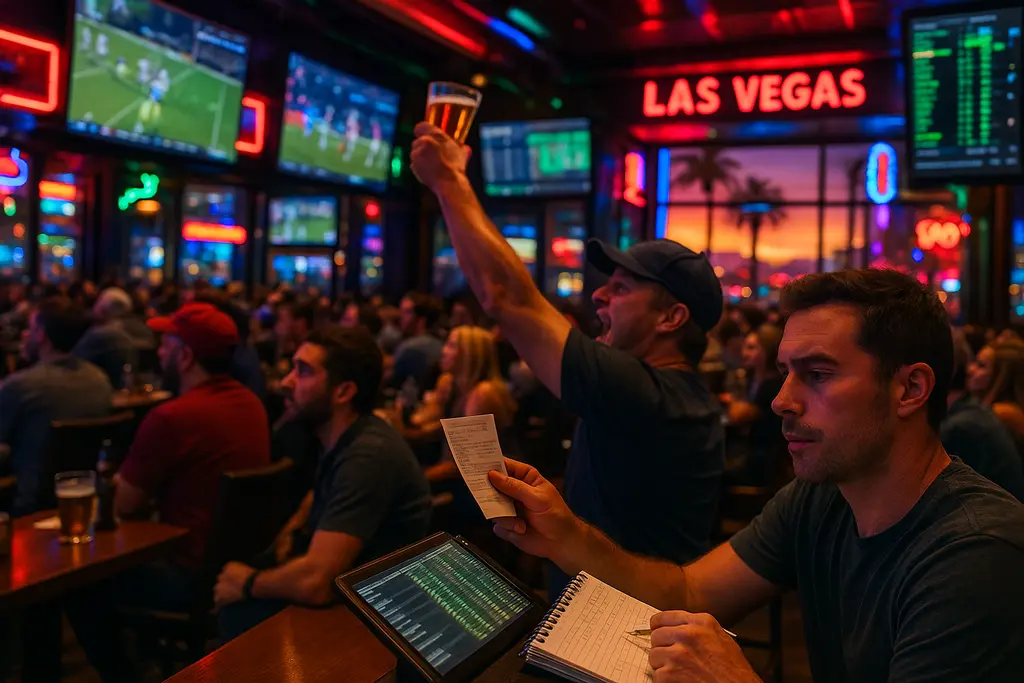
August Vegas Betting is less about finding certainty and more about reading demand around a crowded sports calendar. In August 2026, Las Vegas is scheduled to host Raiders preseason football at Allegiant Stadium, Aces regular-season games at Michelob ULTRA Arena, and Aviators baseball at Las Vegas Ballpark, according to the listed August sports calendar. Those dates do not create automatic value, but they can affect attention, market depth, and the way sportsbook menus fill out around game day.
The key for bettors is to separate event excitement from price quality. A home preseason game, a WNBA matchup, or a minor league baseball date can all bring different levels of betting interest. That interest may affect which markets are easiest to compare, which props appear, and how quickly live prices move once lineups, rotations, or game flow become clearer. None of that removes uncertainty.
Why August Vegas Betting Demand Can Shift Quickly
August Vegas Betting Around Football
The Raiders’ two listed preseason home games are August 13 against the Arizona Cardinals and August 29 against the San Francisco 49ers at Allegiant Stadium. Preseason football often attracts attention because it is close to the regular season, but the betting context is not the same as a full-strength late-season game. Coaches may manage playing time, starters may have limited work, and depth-chart evaluation can matter more than a standard win-loss angle.
For August Vegas Betting, that means the market may react to information that is not always visible in a season-long power rating. Bettors comparing sportsbooks should be careful with assumptions about motivation, quarterback usage, and roster decisions. If prices are posted, they can move before kickoff as team plans become clearer. Without current, operator-attributed odds, it is safer to talk about the factors that can move markets rather than pretending to know where the number should be.
Arena Dates And Same-Day Attention
August 13 is especially notable because the Raiders-Cardinals preseason game and the Aces-Mystics game are both listed for Las Vegas on that date. The Aces also have a home game against the Chicago Sky on August 15 at Michelob ULTRA Arena. Same-week clustering can matter because local bettors, visitors, and sportsbooks may be watching several events at once.
That does not mean every book will offer the same menu or the same price. Some operators may emphasize mainstream football markets. Others may present a deeper basketball prop menu if demand supports it. Bettors should treat the calendar as a prompt for comparison, not as a signal that one side is stronger.
Event Types That Shape Sportsbook Menus
Football, Basketball, And Baseball Depth
The most useful way to think about event-driven demand is by market depth. NFL preseason games can bring broad public attention because football remains a high-interest betting sport. WNBA games can draw sharper focus from bettors who track rotations, pace, and matchup tendencies. Minor league baseball, such as the listed August 12 Aviators game against the Sacramento River Cats at Las Vegas Ballpark, may attract a smaller audience, which can mean fewer widely available markets.
Smaller menus are not automatically bad, but they require more care. If only a few operators post a market, price comparison becomes harder. If limits are lower or props are limited, a bettor may have fewer ways to express a view. Readers interested in understanding pricing nuances might benefit from resources on comparing low-margin betting options. A comprehensive guide on low-juice sportsbook comparison can frame how even minor pricing differences can impact long-term betting results.
Combat Sports And Unconfirmed Fight Cards
Las Vegas is also tied to fight-week activity in August coverage, though specific August 2026 combat sports details in the research are not fully set. A Vegas sports preview has pointed to a stacked August mix that includes poker, football, and fight-related attention in its August Vegas preview. For bettors, the uncertainty around exact fight cards is part of the analysis.
Combat sports markets often become more active when bout details, weigh-ins, injuries, and late news are known. Until a fight is confirmed and markets are posted by a sportsbook, it is not responsible to discuss a specific betting angle. The better approach is to watch how operators price main events versus undercards, whether round props appear, and how quickly prices react to public information.
Market Comparison Without Treating Prices As Picks
Operator Differences Matter More In Busy Weeks
Busy sports weeks can reveal differences between operators. One sportsbook may post a preseason football total earlier. Another may wait for clearer lineup information. A third may offer more WNBA props but a tighter selection on minor league baseball. These differences can be useful for comparison, but they should not be mistaken for proof that a market is mispriced.
Event-driven demand can also shape the user experience. A major stadium event may bring more app traffic and more casual interest. A niche event may have less depth. In both cases, the bettor’s task is the same: compare prices, read house rules, check settlement terms, and avoid assuming that a popular event creates a better opportunity.
Live Betting Needs Extra Care
Live markets can be attractive during a crowded Las Vegas schedule because they react to what is happening on the court or field. They also move quickly. In preseason football, a quarterback change can shift the game state. In WNBA action, foul trouble, rotations, and pace can affect totals or player markets. In baseball, pitching changes can alter pricing fast.
The risk is that speed can reduce discipline. A bettor who is reacting to every possession or inning may be comparing emotion rather than price. Live betting works best when the reader already understands what information matters before the market updates. If a sportsbook pauses a market or changes a number, that is part of the product, not a guarantee that the next price is better.
Responsible Event Evaluation In Las Vegas

Access, Rules, And Personal Limits
Las Vegas can make sports feel immediate because venues, sportsbooks, viewing rooms, and event crowds are close together. That atmosphere can increase interest, but it should not change the basic risk calculation. Betting markets are uncertain, and losses are always possible.
Before treating any August event as worth betting, readers should ask practical questions. Is the market available in a legal setting where they are located? Are the rules clear? Is the price still current? Is the market deep enough to compare across operators? Has any key information changed since the first number was posted?
- Check the event context: preseason, regular season, minor league, and fight-week markets do not behave the same way.
- Compare before acting: different sportsbooks can post different prices, props, limits, and settlement rules.
- Avoid certainty language: a busy calendar can create interest, not guaranteed outcomes.
- Respect personal limits: entertainment value should not override financial boundaries.
August Vegas Betting Context For Readers
What The Calendar Can And Cannot Tell You
The August 2026 Las Vegas calendar can tell bettors where attention may build: Allegiant Stadium for Raiders preseason football, Michelob ULTRA Arena for Aces basketball, Las Vegas Ballpark for Aviators baseball, and potential fight-week activity if cards are confirmed. It cannot tell bettors which side will win, whether a line is fair, or whether a prop is worth playing.
August Vegas Betting should be evaluated through market context rather than event hype. The most useful signals are not noise from the crowd, but practical details: market availability, price movement, operator differences, lineup information, and rules. A careful bettor can use the schedule to know where demand may appear, while still accepting that every market carries uncertainty.
Leave a Reply